
Preventative Facial Ageing Treatments in Your 30s and 40s
If you are researching preventative facial ageing treatments, you are already thinking ahead, and that is exactly the point. The most effective facial rejuvenation often happens before visible signs of ageing become advanced or difficult to reverse.
Your 30s and 40s are a key window for prevention. This is when subtle changes related to the ageing process and skin ageing begin, including reduced collagen production, early collagen degradation, shifts in skin texture, early fine lines, and changes in muscle behaviour, even if you still “look young.” Addressing these changes early can slow visible ageing, maintain definition, support volume maintenance, and reduce the need for more corrective or invasive procedures later on.
This guide explains what preventative facial ageing treatments really mean, why timing matters, and how a strategic approach in your 30s and 40s can protect long-term skin quality and facial health.
What Does “Preventative Facial Ageing” Actually Mean?
Preventative facial ageing treatments are not about changing how you look or chasing youth.
Instead, they focus on:
- Supporting collagen, elastin, and dermal collagen production before significant loss occurs
- Preserving facial anatomy, structure, and balance
- Maintaining skin quality, hydration, and resilience
- Preventing facial lines, wrinkles, laxity, and volume loss from becoming established
The goal is to slow the ageing process, not to correct advanced ageing later with fillers, surgery, or a facelift.
Why the 30s and 40s Matter So Much
From your late 20s onwards, collagen production naturally begins to decline. Cell turnover slows, elastin weakens, and early muscle changes at the neuromuscular junction can influence how the face sits at rest.
In your 30s, changes are often subtle:
- Fine lines, early crow feet, and glabellar lines appear with expression
- Skin may feel less hydrated or resilient
- Early loss of definition may appear around the eyes or jawline
By your 40s, these changes become more visible:
- Skin laxity develops
- Lines begin to settle into static wrinkles
- Facial contours soften as volume loss progresses
Preventative treatments work best before these changes become fixed.
Skin Quality as the Foundation of Prevention
Healthy, resilient skin is one of the strongest defences against facial ageing.
Preventative treatments often focus on improving:
- Collagen remodeling and elastin strength
- Hydration using hyaluronic acid and professional skincare
- Skin tone, firmness, and skin texture
Treatments such as chemical peels, microneedling, hydrafacial, LED light therapy, platelet-rich plasma, and laser skin resurfacing (including nonablative treatment, fractional photothermolysis, and full-face resurfacing) support ongoing skin rejuvenation and address sun damage, extrinsic ageing, and environmental stress.
Daily skincare, peptides, serums, sunscreen, and sun protection remain essential parts of long-term prevention.
Preventing Lines Before They Set
Dynamic facial lines, including crow feet, glabellar lines, and frown lines, are often the first visible signs of ageing.
Repeated muscle movement over time contributes to permanent wrinkles through nerve stimulation and repetitive contraction. Preventative approaches may involve gentle muscle relaxation using botulinum toxin or neurotoxin treatments such as botox, delivered conservatively.
When used appropriately, these anti-wrinkle treatments soften excessive movement while preserving expression and facial identity.
Professional Guidance Matters
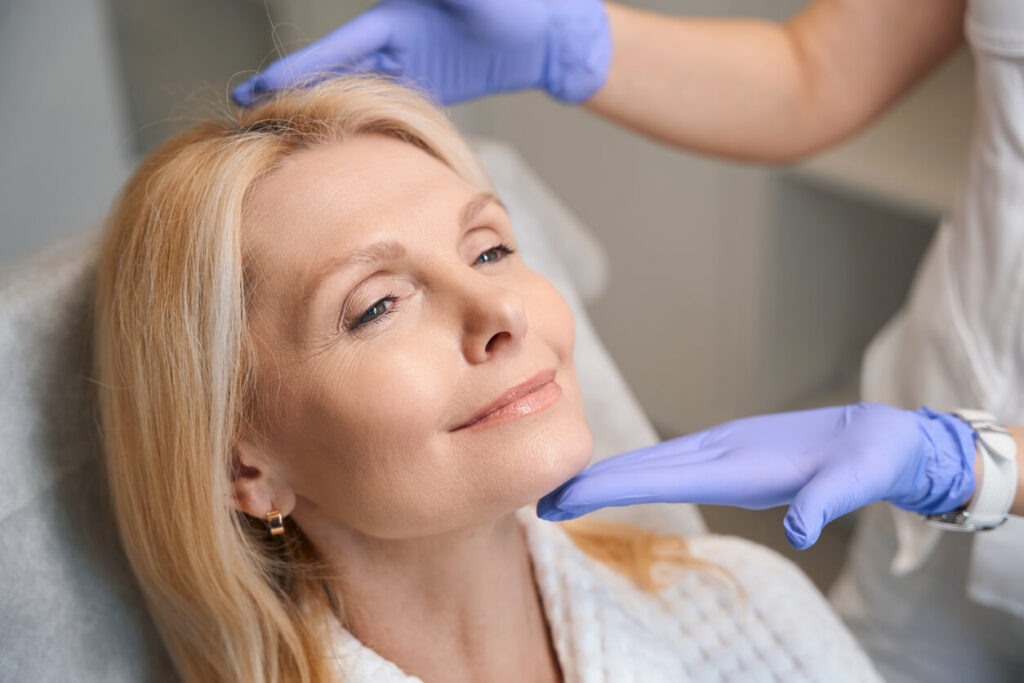
At Dermoperfection, prevention begins with detailed facial analysis to ensure treatments are minimal, strategic, and focused on long-term skin health rather than unnecessary procedures.
Supporting Facial Structure Early
Ageing is not just about the skin. Structural support changes as fat shifts and facial anatomy adapts.
Preventative treatments in the 30s and 40s often focus on volume maintenance rather than restoration. Options may include subtle dermal fillers, hyaluronic acid, cheek filler, Profhilo, calcium hydroxylapatite, poly-L-lactic acid, or microinjections that stimulate collagen remodeling without overfilling.
Early structural support reduces the likelihood of requiring corrective fillers, Thread Lift, or surgical intervention later.
Muscle Balance and Facial Ageing
Facial muscles play a significant role in how the face ages.
Over time, some muscles pull downward while others weaken, influenced by electrical currents, neuromuscular signalling, and repetitive movement. This imbalance contributes to heaviness, early sagging, and loss of definition.
Addressing muscle behaviour early supports preventative ageing rather than reactive correction.
Why “Less but Earlier” Often Works Better
One of the biggest misconceptions is waiting until ageing is obvious.
In reality, smaller, well-timed preventative treatments often deliver better long-term outcomes than larger corrective interventions later. This approach reduces downtime, simplifies recovery, and avoids unnecessary surgery.
Prevention allows treatments to work with the natural ageing process rather than against it.
Avoiding Over-Treatment Through Planning
Preventative facial ageing treatments should never be trend-led.
Without careful treatment planning, early intervention can become unnecessary intervention. This is why skin consultation, facial assessment, and restraint are essential. Not every patient in their 30s or 40s needs fillers, botox, laser, or peels.
The most effective anti-ageing strategies are personalised, flexible, and reviewed over time by experienced medical-aesthetic practitioners, dermatology professionals, or a trusted skin clinic.
The Importance of Professional Assessment
Effective prevention depends on understanding how your face and skin are ageing.
A professional assessment considers:
- Skin quality, elasticity, hydration, and scarring risk
- Muscle activity, facial lines, and expression patterns
- Facial anatomy and structural balance
- Lifestyle factors such as sun exposure, skincare habits, and after-care compliance
This ensures treatments are minimal, appropriate, and genuinely preventative.
The Dermoperfection Approach
At Dermoperfection, preventative facial ageing treatments are approached with precision and long-term thinking.
The focus is not on doing more, but on selecting the right cosmetological strategies at the right time. Treatments may include skin rejuvenation, injectables, collagen stimulation, laser resurfacing, and professional skincare, always chosen to preserve expression and balance.
Prevention is always tailored, never templated.
Considering Preventative Facial Ageing Treatments?
If you are exploring preventative facial ageing treatments in your 30s or 40s, the most important step is understanding where your face and skin are now, not where you fear they might be later.
A professional assessment at a specialist skin clinic can determine whether preventative treatment is appropriate, how to support long-term maintenance, and how to protect your skin and facial structure without unnecessary downtime, risk, or surgery.