
The Science of Self-Repair: How Regenerative Aesthetics Rebuild Skin From Within

For decades, aesthetic medicine has been about adding — adding volume, filling lines, smoothing the surface. At Dermoperfection in Birmingham, we work to a different principle: the science of self-repair. Rather than masking the signs of ageing, regenerative aesthetics works with your skin’s own biology, switching on the natural processes that rebuild collagen, elastin and healthy tissue from within. The result is skin that doesn’t just look filled — it looks genuinely renewed.

What is regenerative aesthetics?

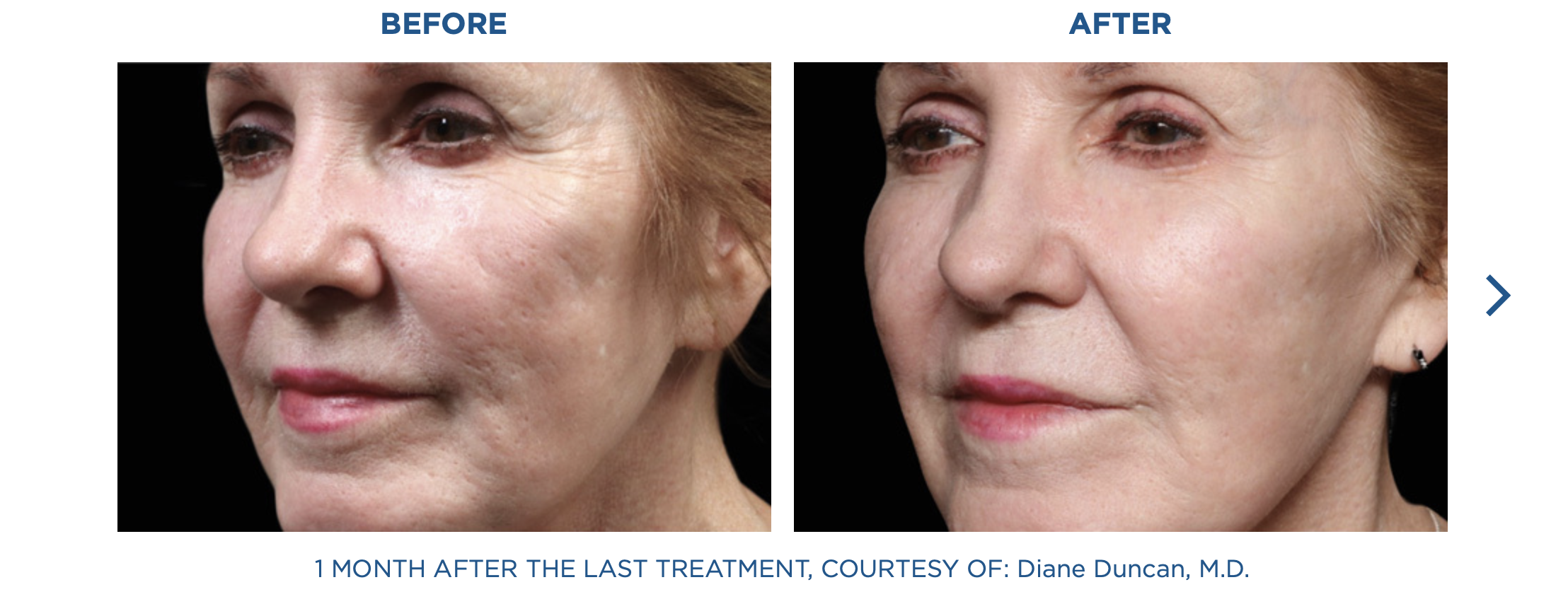
Regenerative aesthetics is a category of clinician-led treatments that stimulate the body to repair and rebuild its own structural tissue. Instead of relying solely on synthetic volume, these treatments deliver signals — peptides, polynucleotides, biostimulatory particles or controlled micro-injury — that prompt fibroblasts (the cells responsible for collagen) to get back to work. Over weeks and months, the skin becomes firmer, more elastic and better hydrated because you have made new tissue. It is a slower, more natural-looking trajectory, and for many people a more satisfying one.

Polynucleotides: repairing at the cellular level

One of the most exciting tools in this field is the polynucleotide. Derived from purified DNA fragments, polynucleotides are powerful bio-stimulators that hydrate the skin, reduce inflammation and encourage cellular turnover. They are particularly effective around delicate areas such as the under-eyes, where they improve quality and tone without adding heaviness. You can read more about our approach on our dedicated polynucleotides in Birmingham page.

A closely related innovation is the salmon sperm facial in Birmingham — a polynucleotide-based treatment that has earned its reputation for delivering a luminous, “lit-from-within” glow. Despite the headline-grabbing name, it is a serious, evidence-led regenerative treatment that improves skin quality at the foundational level.

Profhilo: bio-remodelling for laxity

As we age, the skin loses hyaluronic acid and the scaffolding that holds it taut. Profhilo addresses this with one of the highest concentrations of hyaluronic acid available, but rather than acting as a filler it spreads through the tissue to bio-remodel — hydrating deeply and stimulating four types of collagen and elastin. It is ideal for crepey, lax skin on the face, neck and décolletage. Explore the treatment on our Profhilo Structura in Birmingham page.

Sculptra: rebuilding collagen architecture

Where deeper structural loss has occurred, Sculptra offers a regenerative answer. Its poly-L-lactic acid particles act as a biostimulator, prompting a gradual, natural rebuild of the skin’s collagen framework over several months. The effect is subtle restoration of facial structure and firmness — not a sudden change, but a quiet return of support that can last up to two years. Learn more on our Sculptra treatment page.

Fractional CO2 laser: resurfacing and renewal

Regeneration isn’t only about injectables. Controlled, fractional energy can trigger the same wound-healing cascade that drives new collagen. Our CO2 laser in Birmingham treatment creates microscopic channels in the skin that stimulate a powerful repair response, softening scarring, texture and fine lines while tightening the surface. It pairs beautifully with injectable bio-stimulators as part of a complete self-repair plan.

Building a personalised self-repair plan

No two faces age the same way, which is why regenerative aesthetics works best as a tailored programme rather than a single appointment. At a consultation we assess your skin quality, structural changes and goals, then combine the right treatments — perhaps polynucleotides for skin quality, Profhilo for laxity, Sculptra for structure and a laser for surface renewal — sequenced over time. This layered, clinician-led approach is the heart of what we do at Dermoperfection.

Ready to rebuild from within?

If you’re drawn to results that look like the best version of you — not a different one — regenerative aesthetics is worth exploring. Book a consultation at our clinic in The Mailbox, Birmingham, and we’ll design a self-repair plan around your skin’s own remarkable ability to heal.

Tretinoin in the UK: Strengths, Uses and How to Get It Safely

Tretinoin is a prescription-only retinoid — a vitamin A derivative and one of the most evidence-backed topical treatments for acne, pigmentation and the visible signs of skin ageing. Because tretinoin is a prescription-only medicine (POM) in the UK, it cannot be bought over the counter; it must be prescribed after a medical assessment. This guide explains what tretinoin is, the strengths available, how it is used, and how to access tretinoin safely and legitimately in the UK.

What is tretinoin?

Tretinoin (all-trans retinoic acid) is the active, prescription-strength form of vitamin A. Unlike retinol — a gentler ingredient found in over-the-counter serums — tretinoin works directly in the skin without needing to be converted, which is why it is more potent and only available on prescription. It speeds up cell turnover, supports collagen production and helps unclog pores, improving the skin’s tone, texture and clarity over time.

What does tretinoin treat?

Clinicians prescribe tretinoin for a range of skin concerns, including:

  • Acne — by keeping pores clear and reducing breakouts at the source.
  • Pigmentation — including post-inflammatory pigmentation and melasma. You can read more in our guide to treating pigmentation.
  • Photoageing and fine lines — softening early wrinkles and sun damage.
  • Uneven texture and tone — smoothing rough, dull or congested skin.

Tretinoin strengths in the UK: 0.025%, 0.05% and 0.1%

Tretinoin cream is available in several concentrations. Higher strengths are more potent but can be more irritating, so a clinician will recommend the right starting strength for your skin and concern. As an Obagi Ambassador Clinic, Dermoperfection supplies 100% authentic Obagi tretinoin in the following options:

Tretinoin cream vs gel

Both formulations contain the same active ingredient. Tretinoin cream tends to be more hydrating and is often better tolerated by dry or sensitive skin, while tretinoin gel has a lighter finish that many people with oilier skin prefer. Your clinician will help you choose the format and strength that suit your skin type and goals.

How to get tretinoin in the UK

Because tretinoin is prescription-only, you cannot legally buy it from a supermarket or high-street shop, and buying unregulated “tretinoin” online carries real safety risks. In the UK, tretinoin is accessed through a registered prescriber following a consultation and medical assessment. At Dermoperfection — an Obagi Ambassador Clinic in Birmingham — new customers complete a short medical form which our clinical team reviews before any tretinoin is dispensed, so we can confirm it is appropriate and safe for you. You can view the full Obagi range online.

How to use tretinoin

Tretinoin is powerful, so most people are advised to introduce it gradually:

  • Start with a pea-sized amount 2–3 nights per week, building up frequency as your skin adjusts.
  • Apply at night to clean, dry skin, and follow with a moisturiser.
  • If you experience irritation, the “buffer” or “sandwich” method (moisturiser before and after) can help.
  • Wear a daily broad-spectrum SPF — tretinoin increases sun sensitivity.

It is normal to experience a “retinisation” period of dryness, flaking or mild purging in the first few weeks as your skin adapts.

Side effects and who should avoid tretinoin

Common, usually temporary side effects include dryness, peeling, redness and increased sun sensitivity. Tretinoin should not be used during pregnancy or while breastfeeding, and is not suitable for everyone — which is exactly why a medical assessment is required before it is prescribed.

Tretinoin vs retinol: what’s the difference?

Retinol is a milder, over-the-counter precursor that the skin must convert before it becomes active, so results are slower and gentler. Tretinoin is already in its active form, making it considerably more potent — and the reason it is prescription-only. If you have used retinol without seeing the results you want, prescription tretinoin (with clinical supervision) may be the next step.

Why choose Obagi tretinoin at Dermoperfection

Dermoperfection is an Obagi Ambassador Clinic in Birmingham supplying 100% authentic product with full clinical oversight. Beyond topical tretinoin, our team can recommend a complete plan — combining medical skincare with in-clinic treatments for pigmentation, acne scarring and skin rejuvenation — tailored to your skin.

Frequently asked questions

Can you buy tretinoin over the counter in the UK?

No. Tretinoin is a prescription-only medicine in the UK and can only be supplied after a medical assessment by a registered prescriber.

How long does tretinoin take to work?

Most people start to see improvements in tone and texture within 6–12 weeks of consistent use, with continued improvement over several months.

Which tretinoin strength should I start with?

Many first-time users begin with 0.025% and build up under guidance. Your clinician will recommend the most appropriate starting strength for your skin.

Is tretinoin cream the same as retinol?

No — tretinoin is the prescription-strength, active form of vitamin A, whereas retinol is a milder over-the-counter ingredient that must first be converted by the skin.

Tretinoin is a prescription-only medicine and is supplied only after a medical assessment. To find out whether tretinoin is right for your skin, contact our clinical team or explore the Obagi range.

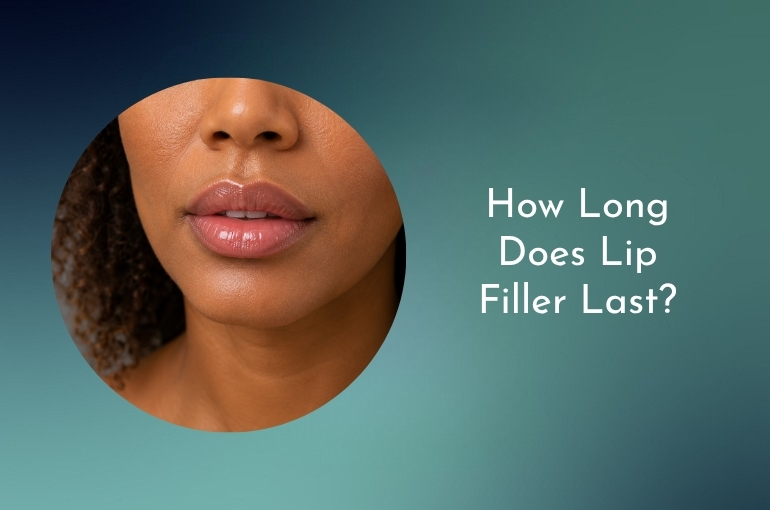
How Long Does Lip Fillers Last?

One of the most common questions we hear at Dermoperfection is: “How long will lip fillers last?” In this article, we break down the science, influencing factors, and tips to maximise your investment in lip enhancements, specifically for clients in Birmingham and the West Midlands.

What Are Lip Fillers?

Lip fillers (typically hyaluronic acid-based dermal fillers) are injectable gels that add volume, contour, hydration, and definition to the lips. At Dermoperfection, we use only medically approved products administered by skilled clinicians in a safe clinical environment.

Our lip filler treatment in Birmingham uses premium Juvéderm lip fillers, a trusted brand renowned for its smooth, natural-looking results and long-lasting hydration.

Lip Filler Longevity by Product

Different lip filler products are formulated for different purposes, and their longevity varies meaningfully. The table below covers the lip-specific products from the major hyaluronic acid filler ranges used in UK clinics, including those we use at Dermoperfection.

Product Manufacturer Typical Longevity Best For
Juvéderm Volbella Allergan / AbbVie 9 to 12 months Subtle enhancement, hydration, fine perioral lines. The most popular “starter” lip filler.
Juvéderm Volift Allergan / AbbVie 12 to 15 months Mid-range volume with shape and definition. A common step up from Volbella.
Juvéderm Ultra Smile Allergan / AbbVie 9 to 12 months Lip-specific formulation with added lidocaine for comfort. Soft, natural enhancement.
Restylane Kysse Galderma Up to 12 months Lip-specific filler with flexible “XpresHAn” cross-linking that moves naturally with expression.
Teosyal RHA Kiss Teoxane 9 to 12 months Resilient hyaluronic acid designed for dynamic areas. Moves naturally with the lips.
Restylane Lyft / Defyne Galderma 9 to 12 months Firmer products occasionally used for structural lip work. Less common for first-time patients.

These figures are typical averages. Your individual results depend on the dose used, your metabolism, lifestyle factors, and the skill of your injector. At our Birmingham clinic, our clinicians will recommend the specific product best suited to your goals during your consultation.

Duration: Typical Timeframe

Most lip fillers last between 6 to 12 months. Some clients may see slight fading earlier (around 4-6 months), while others may maintain subtle results beyond 12 months, depending on many variables.

Key Factors That Influence Longevity

Factor Influence on Filler Duration
Product type & concentration Denser, cross-linked HA formulations tend to last longer
Your metabolism & lifestyle High metabolic rate or habits like smoking may speed breakdown
Injection technique & location Precise placement improves longevity; overfilled areas may migrate or dissolve faster
Aftercare, sun & skincare Good aftercare, sun protection, and skincare preserve results
Frequency of top-ups Maintenance sessions help sustain effect over time

Tips to Extend Lip Filler Results

  • Hydrate well and maintain skin health
  • Use SPF lip balm daily
  • Avoid excessive sun, lip exfoliation or harsh treatments
  • Stop smoking (if applicable)
  • Attend recommended top-up appointments
  • Choose a skilled clinician (like at Dermoperfection) who injects conservatively and with balance

What Happens When Fillers Fade

You may notice subtle softening, loss of crisp border, or mild volume reduction. Often the transition is gradual. 

If you’re considering lip fillers in Birmingham or the West Midlands, or want to book a review or top-up, contact Dermoperfection clinic. Let us help you achieve beautifully long-lasting, natural lip enhancements. Book here!

Frequently Asked Questions

How long until lip filler settles?
Lip filler typically takes 2 to 4 weeks to fully settle. The first 24 to 48 hours often involve noticeable swelling, which can make the lips look larger than the final result. Most of the swelling subsides within 5 to 7 days, and the filler integrates with the surrounding tissue over the following 2 to 3 weeks. Your final result is usually visible at the 4-week mark, which is when most clinicians schedule a review appointment.

How long does 0.5ml lip filler last?
A 0.5ml lip filler treatment typically lasts 6 to 9 months. This is the most popular starter dose for first-time patients and creates subtle, natural enhancement. Because the volume is smaller, the body breaks it down slightly faster than a full 1ml treatment. Many patients have a 0.5ml top-up at the 6 to 9 month mark, or build to 1ml gradually over several sessions.

Why do my lip fillers dissolve so fast?
There are several reasons lip filler may seem to dissolve faster than expected. The lips are one of the most mobile areas of the face, so constant movement from talking, eating, and expression breaks the filler down more quickly than in static areas like the cheeks. A faster metabolism, frequent strenuous exercise, smoking, sun exposure, and certain medications can all shorten longevity. Smaller doses (0.5ml) also break down faster proportionally than larger doses. If your filler is consistently dissolving within 3 to 4 months, talk to your clinician about whether a longer-lasting product (such as Juvéderm Volift) might be more suitable.

Does lip filler longevity change with age?
Yes, to a degree. Younger patients (typically under 30) often metabolise hyaluronic acid filler faster, meaning the same product may last 6 to 9 months for a 25-year-old but 9 to 12 months for a 45-year-old. This is because metabolic rate generally slows with age. Older patients also typically have less mobile lip movement and slightly drier tissue, both of which contribute to longer-lasting results. That said, individual variation is large — your personal metabolism, lifestyle, and product choice matter more than age alone.

Which brand of lip filler lasts longest: Juvéderm, Restylane, or Teosyal?
Of the three major brands, Juvéderm Volift typically offers the longest lip filler longevity at 12 to 15 months, due to its higher cross-linking and structural cohesion. Restylane Kysse and Teosyal RHA Kiss both typically last up to 12 months, with Restylane’s “XpresHAn” technology and Teosyal’s “Resilient Hyaluronic Acid” both designed to flex naturally with lip movement rather than maximise longevity. Juvéderm Volbella, the most popular starter product, lasts 9 to 12 months. The right product for you depends on your goals and lip anatomy, not just longevity.

Are Dermal Fillers Safe? What to Know Before Getting Fillers in Birmingham

If you are thinking about Dermal fillers, it is completely natural to have questions about safety. For many people, this is one of the most important parts of the decision-making process. You want to feel confident not just in the results, but in the treatment itself and the person carrying it out.

The good news is that dermal fillers are widely used and can be very safe when performed by a qualified and experienced practitioner. Understanding how these cosmetic treatments work and what to look for in a clinic can help you feel more reassured and in control of your decision. Whether you are considering a subtle cosmetic procedure or exploring different treatment areas, safety should always come first.

If you are new to treatment, you can explore more about the process on our dermal fillers in Birmingham page.

What Are Dermal Fillers?

Dermal fillers are injectable treatments used to restore facial volume, enhance facial features, and improve overall balance. They are commonly used in areas such as the lips, cheeks, and jawline, as well as for concerns like nasolabial folds, marionette lines, perioral lines, and other wrinkles linked to volume loss and skin ageing.

Most modern fillers are made from hyaluronic acid, a substance naturally found in the body that helps keep the skin hydrated and supported. Hyaluronic acid dermal fillers are widely used because this filler material integrates well into the facial tissues and supports natural-looking results.

Treatments are always tailored to your individual features. Some people want a soft refresh, while others are looking for more definition or structure. This may include lip augmentation, cheek augmentation, or treating frown lines, depending on your goals.

dermal fillers image

Are Dermal Fillers Safe?

Dermal fillers are considered safe when they are carried out by a trained and qualified practitioner using approved products in a clinical environment.

Safety is not just about the treatment itself, but how it is performed. A skilled injector with a strong understanding of facial anatomy will know exactly where and how to place filler safely. This includes selecting the correct injection sites and performing precise dermal filler injections and injections, which helps reduce risks and achieve balanced results.

Using high-quality, regulated products is essential. Reputable clinics will only use trusted injectables such as hyaluronic acid-based dermal fillers, ensuring both safety and consistency. Although fillers are a non-invasive technique, they are still a medical cosmetic procedure, so proper standards must always be followed.

A thorough consultation should always come first. This allows your practitioner to assess your suitability, review your chosen treatment areas, and create a personalised plan that aligns with your goals.

Possible Side Effects of Dermal Fillers

Like any aesthetic treatment, dermal fillers can have side effects. Most are mild and temporary, and are part of the normal healing process.

Common side effects include slight swelling, redness, tenderness, or mild bruising around the injection sites following dermal filler injections. These typically settle within a few days and are nothing to worry about.

More serious complications are less common, but they can happen. This is why choosing experienced aesthetic practitioners is so important. A knowledgeable practitioner can minimise risk, identify early signs of concern, and manage any adverse effects safely if needed.

Fillers are often used to soften wrinkles, restore facial volume, and treat areas such as nasolabial folds, marionette lines, and perioral lines, so careful planning and technique are always essential.

Professional Guidance Matters

Professional Guidance Matters At Dermoperfection, every treatment plan begins with detailed facial analysis to ensure balanced, natural-looking results.

How to Choose a Safe Aesthetic Clinic

Choosing the right clinic is one of the most important parts of your treatment journey. It is not just about results, it is about feeling safe, supported, and confident throughout the process.

Look for a practitioner with medical training and a strong understanding of facial anatomy. A skilled injector will understand how to work with the skin, facial tissues, and correct injection sites to deliver safe and effective results.

A good consultation should feel calm and unhurried. Whether you are considering lip augmentation, cheek augmentation, or other injectables, you should feel comfortable asking questions and understanding your options.

It is also helpful to choose a clinic that focuses on natural results. A thoughtful approach to aesthetics often reflects a more careful and considered treatment style, particularly when treating areas affected by skin ageing.

Aftercare is another important factor. Clear aftercare instructions and guidance on post-treatment care should always be provided so you know how to support your healing after injections.

Dermal Fillers at Dermoperfection

At Dermoperfection, your safety and comfort are always the priority. Every treatment begins with a detailed consultation where you can take your time, ask questions, and fully understand what to expect.

The approach is always personalised and focused on natural results that feel right for you. Whether you are considering lip augmentation, restoring facial volume, or enhancing your overall features, your treatment plan will be tailored to suit you.

Dermal fillers can also support the appearance of the skin over time. Many patients are interested in how treatments relate to collagen, collagen production, and maintaining healthy skin as it naturally changes.

There is no pressure to go ahead. It is about helping you feel informed, supported, and confident in your decision.

If you are considering dermal fillers and would like to explore your options in a calm and welcoming environment, you are warmly invited to book a consultation here.

Facial Balancing With Dermal Fillers: How Lips, Cheeks and Jawline Work Together

Facial balancing has become one of the most talked about approaches in aesthetics, and for good reason. Rather than focusing on a single feature, it looks at the face as a whole and considers how each area works together to create harmony and proportion. This is why profile balancing has become such an important part of modern aesthetic treatment planning.

Many people come in thinking they want lip filler or jawline definition, but often the most natural results come from a more balanced approach. Small, carefully placed enhancements across different areas can make a subtle yet meaningful difference to the overall appearance. In many cases, profile balancing, full facial balancing, and a carefully tailored profile balancing treatment can help bring the whole face into better proportion rather than focusing on one isolated area.

If you are new to treatment, you can explore more about the full approach on our dermal fillers in Birmingham page.

What Is Facial Balancing?

Facial balancing is a personalised approach to dermal fillers that focuses on improving overall proportions rather than treating one area in isolation. The goal is not to change how you look, but to enhance your natural facial features so everything feels more in harmony. A well-designed treatment plan should always be based on your own proportions, preferences, and aesthetic goals.

Every face is unique, and balance means something slightly different for each person. For some, it may involve restoring volume in the cheeks. For others, it could mean adding subtle definition to the jawline or refining the lips so they sit more proportionately with the rest of the face. This is where facial balance, Facial harmony, and facial symmetry all come into the conversation, especially when addressing facial asymmetries across different facial zones.

This approach is often more subtle than people expect. Instead of one noticeable change, facial balancing creates a soft, overall improvement that helps you look refreshed, structured, and naturally enhanced. Treatments often use hyaluronic acid dermal fillers to achieve natural-looking results as part of a wider full facial balancing plan.

How Lip Fillers Improve Facial Proportions

The lips play an important role in facial balance, even though they are a smaller feature. Their shape, volume, and position can influence how the rest of the face is perceived. In many cases, subtle lip enhancement can have a surprisingly positive effect on the whole face.

Lip fillers can be used to enhance natural shape, improve symmetry, and add hydration or soft volume. In the context of facial balancing, the goal is not simply to make the lips bigger, but to ensure they are in proportion with the nose, chin, and overall facial structure. This is why lip treatment is often considered as part of profile balancing or a broader profile balancing treatment.

When the lips are balanced correctly, they can soften the face and create a more harmonious appearance. Even a subtle adjustment can make a noticeable difference without looking overdone. In some cases, balancing the lips can also improve how surrounding areas such as the nose, tear troughs, and lower face are perceived.

How Cheek Fillers Restore Volume

The cheeks are central to facial structure and play a key role in supporting the mid-face. Over time, natural cheek volume loss can make the face appear flatter or less defined.

Cheek fillers help restore this volume and create gentle lift. This not only enhances the cheekbones but also improves overall facial balance by supporting the surrounding areas. By improving the mid-face, cheek filler can also soften the appearance of nasolabial folds and help create a more refreshed look.

In facial balancing, the cheeks are often one of the first areas to consider. By adding structure here, it can improve the proportions of the entire face, including how the lower face and jawline appear. This is one of the reasons full facial balancing is often more effective than treating one feature on its own.

The result is usually soft and natural, helping the face look more refreshed without changing your expression. When used correctly, hyaluronic acid fillers and a carefully planned treatment plan can support facial harmony in a very subtle way.

Professional Guidance Matters

Professional Guidance Matters At Dermoperfection, every treatment plan begins with detailed facial analysis to ensure balanced, natural-looking results.

How Jawline Fillers Define the Lower Face

The jawline frames the face and plays an important role in overall definition. If the jawline lacks structure, it can affect how balanced the face appears, even if other areas are well proportioned.

Jawline fillers are used to create a clearer outline and add structure to the lower face. This can improve the transition between the face and neck, enhance the side profile, and bring balance to the overall shape. In some cases, treatment may also include chin filler to support projection and refine the relationship between the chin and jaw. This is why chin & jawline enhancement is such an important part of profile balancing and full facial balancing.

In facial balancing, jawline filler is often used alongside cheek and lip treatments to create a more cohesive result. The aim is not to make the jawline overly sharp, but to ensure it complements the rest of the face. For some patients, this may also be considered alongside non-surgical rhinoplasty, especially where the nose, chin, and jawline all affect the overall profile.

Full Face Dermal Filler Treatments in Birmingham

Facial balancing is about seeing the bigger picture. Instead of focusing on one feature, it considers how the lips, cheeks, and jawline work together to create a natural and harmonious result. This is the foundation of full facial balancing, and why so many patients now choose a more complete approach to treatment.

In many cases, a full face approach using small amounts of filler in different areas can achieve more balanced and subtle results than treating a single area alone. This allows the face to be enhanced in a way that still feels like you. A proper full-face assessment helps identify where the face may benefit most, whether that is through the cheeks, lips, chin & jawline, temples & forehead, or other key facial zones.

At Dermoperfection, every treatment is tailored to your individual features. Your consultation is a relaxed and supportive space where you can talk through your goals, understand your options, and receive honest guidance from an experienced team. Whether you are exploring profile balancing, profile balancing treatment, or a non-surgical aesthetic treatment using hyaluronic acid products, the aim is always to achieve soft, balanced, and natural-looking results.

There is no pressure to make a decision straight away. It is about helping you feel comfortable and confident in whatever feels right for you. Many patients are also interested in how dermal fillers work alongside the skin’s natural collagen support over time, particularly when looking at overall facial rejuvenation and balance.

If you are considering facial balancing and would like to explore what would suit you best, you are warmly invited to book a consultation here.

How Long Do Dermal Fillers Last? Lip, Cheek and Jawline Filler Results Explained

When you are thinking about dermal fillers, one of the first questions that comes to mind is how long the results will last. It is completely natural to want to understand what to expect before deciding to go ahead with treatment. Knowing how long results last can help you plan, feel more confident, and choose a treatment that fits your lifestyle.

Dermal filler longevity can vary depending on the treatment area, the type of filler used, and how your body naturally processes it. Some areas hold filler for longer, while others may need maintenance sooner. Whether you are researching Filler treatments, broader cosmetic treatments, or a specific dermal filler treatment, understanding longevity is an important part of choosing the right option.

If you are new to treatment, you can explore more on our dermal fillers in Birmingham page.

What Are Dermal Fillers Made From?

Most dermal fillers are made from hyaluronic acid, a substance that naturally exists in the body and helps keep the skin hydrated and full. Because it works in harmony with your body, it is widely used to create soft, natural-looking results. Hyaluronic acid dermal fillers are commonly used in modern injectable treatments because this type of filler material supports soft, natural enhancement.

Hyaluronic acid fillers are temporary because your body gradually breaks them down over time. This allows flexibility and means your results fade naturally. Different types of filler can influence how long results last, depending on the area treated and the structure required.

Different fillers are designed for different areas. Softer fillers are often used in the lips, while firmer fillers are used in the cheeks and jawline for structure and support. Some facial fillers are also used in areas such as nasolabial folds, tear trough, and smile line, while other injectable fillers may be chosen for chin augmentation, jawline contouring, or improved facial definition.

Dermal Filler Longevity by Treatment Area

How long your filler lasts depends heavily on where it’s placed. High-movement areas like the lips break down filler faster than structural areas like the cheeks and jawline. The table below shows typical longevity ranges seen at our Birmingham clinic, based on standard hyaluronic acid filler used by an experienced injector.

Treatment AreaTypical LongevityWhy It Varies
Lip filler6 to 12 monthsConstant movement from talking, eating, and expression accelerates breakdown
Cheek filler12 to 24 monthsLimited movement and use of denser, longer-lasting products like Juvéderm Voluma
Jawline filler12 to 18 monthsDenser, structural products designed to hold shape and definition
Chin filler12 to 18 monthsSimilar to jawline; minimal movement and firm filler chosen for projection
Tear trough filler9 to 18 months, sometimes longerVery low movement; some studies show tear trough filler can persist for years on MRI imaging
Nose filler (non-surgical rhinoplasty)12 to 18 monthsFirm filler used carefully; placement matters more than product for longevity here

These figures are typical averages. Your individual results depend on the specific product used, the dose, your metabolism, lifestyle factors, and the skill of your practitioner.


How Long Lip Fillers Last

Lip fillers usually have a slightly shorter lifespan because the lips move constantly throughout the day. This is one reason why the longevity of lip fillers can vary from person to person.

On average, lip fillers last around 6 to 9 months. First-time treatments may wear off a little sooner, especially if your body metabolises filler quickly. With regular maintenance, many people find their results last longer over time. A dermal lip filler treatment is often chosen for volume, shape, and lip enhancements, and the way a practitioner performs a dermal lip filler treatment can also affect longevity.

The change is gradual, so even as the filler softens, the lips often still look naturally enhanced. Many patients choose dermal filler injections because they want subtle results that are easy to maintain.

How Long Cheek Fillers Last

Cheek fillers are known for lasting longer because the area has less movement and usually uses slightly firmer products. In many cases, Dermal cheek fillers are chosen to create lift, support, and balance through the mid-face.

Most people can expect cheek fillers to last around 9 to 18 months. The exact duration can depend on the treatment area, the types of filler used, and how your body responds to the filler material.

Cheek fillers are often chosen not just for volume but for improving overall facial balance. By adding subtle lift and structure, they can enhance the whole face naturally. In some cases, dermal fillers in this area may also soften the look of fine lines, nasolabial folds, and tired-looking features.

How Long Jawline Fillers Last

Jawline fillers are designed to create definition and structure in the lower face. Because they use denser filler products, they often last longer than lip fillers and are similar to cheek filler longevity. They are a popular choice for patients looking for stronger facial definition, lower-face balance, or more sculpted jawline contouring.

Typical results last around 12 to 18 months, sometimes longer depending on the product and individual factors. Treatments such as chin augmentation, jawline shaping, and selected nose filler injections can all vary depending on the type of filler and placement technique.

Many people choose jawline filler to create a more defined profile or improve overall facial balance. Like other injectable treatments, the aim is to enhance your features in a way that still looks natural.

How Long Chin Fillers Last

Chin filler is used to add projection, balance the jawline, or correct a recessed chin. Because the chin is a structural, low-movement area, results typically last 12 to 18 months, similar to jawline filler. Most clinicians use firmer, denser products designed to hold shape over time.

Many patients combine chin filler with jawline filler to create a more defined lower-face profile, and the two treatments tend to share similar longevity.

How Long Tear Trough Fillers Last

Tear trough filler softens the hollow area under the eye that can make you look tired or aged. The under-eye area moves very little, so filler placed here typically lasts 9 to 18 months, and in some patients much longer. MRI imaging studies have shown hyaluronic acid filler in the tear trough can persist for years beyond its original expected duration.

Because the skin under the eye is very thin, tear trough work requires a highly experienced injector and a filler specifically suited to the area. Aliaxin and Juvéderm Volbella are commonly used.

How Long Nose Fillers Last (Non-Surgical Rhinoplasty)

Non-surgical nose filler reshapes the nose without surgery, smoothing bumps, lifting the tip, or refining the bridge. Because the nose has minimal movement and uses firmer products, results typically last 12 to 18 months. Nose filler is one of the more technically demanding treatments and must be performed by an injector with strong knowledge of nasal vascular anatomy.


Dermal Filler Longevity by Brand

Different filler brands use different cross-linking technology, particle sizes, and concentrations of hyaluronic acid, which affects how long each one lasts. At Dermoperfection we use only premium, clinically-proven brands. The table below summarises typical longevity claims and how each brand is most commonly used.

BrandTypical LongevityBest For
Juvéderm (Allergan)9 to 24 months depending on productFull-face range: Volbella for lips and fine lines, Volift for mid-face, Voluma for cheeks (up to 24 months), Vollure for nasolabial folds
Aliaxin (IBSA)6 to 12 monthsSoft, natural-feel HA filler well suited to lips, tear troughs, and skin hydration
MaiLi (Sinclair)Up to 12 months, with strong results sustained at the 12-month markOxi-Free technology that mimics natural facial movement; popular for lips and overall facial balance
HarmonyCa (Allergan)12 to 18 months as filler, with collagen-stimulating effects continuing beyondHybrid filler combining hyaluronic acid with calcium hydroxyapatite for immediate lift plus collagen stimulation
Sculptra (Galderma)Up to 2 yearsPoly-L-lactic acid collagen biostimulator rather than a traditional filler; gradual results that build over 3 to 6 months

The right brand and product for you depends on the area being treated, your goals, and your anatomy. Your clinician will recommend the most appropriate option during your consultation rather than working from a fixed product list.

Professional Guidance Matters

Professional Guidance Matters At Dermoperfection, every treatment plan begins with detailed facial analysis to ensure balanced, natural-looking results.

How to Make Dermal Fillers Last Longer

While dermal fillers are temporary, there are simple ways to help maintain your results.

Choose an Experienced Practitioner

The way filler is placed can influence how long it lasts. A skilled practitioner will choose the right product and technique for your face and know how to inject dermal fillers safely.

Follow Aftercare Advice

Following aftercare guidance helps support healing and protect your results after dermal filler injections and other injectable treatments.

Stay Hydrated and Look After Your Skin

Because filler works with your body’s hydration levels, healthy skin can support better longevity. Sun exposure and UV exposure may also affect how the skin ages over time.

Consider Maintenance Appointments

Many people choose small top-ups rather than waiting for filler to fully dissolve. Some patients also combine filler treatments with other aesthetic treatments or cosmetic treatments to support the appearance of fine lines and overall skin quality.

There is also growing interest in whether fillers can help support collagen production over time, contributing to overall skin quality. While filler mainly restores volume, some patients feel their skin still looks fresher as results soften, which may relate in part to ongoing collagen production.

Dermal Filler Treatments in Birmingham

At Dermoperfection, treatments are always tailored to you. The focus is on creating natural, balanced results that enhance your features without looking overdone. Whether you are considering dermal fillers or other injectable treatments, the aim is always to choose the most suitable approach for you.

Your consultation is a relaxed and supportive space where you can talk through your goals and understand what to expect from your results. You will receive honest advice based on your features, with no pressure to proceed. Whether you are interested in lip enhancements, dermal cheek fillers, tear trough fillers, smile line fillers, or treatments that refine facial definition, you will be guided towards options that feel right for you.

If you are considering dermal fillers and want to explore what would work best for you, you are warmly invited to book a consultation here.

From Filling to Rebuilding: The New Era of Facial Rejuvenation

Many people begin thinking about facial rejuvenation when they notice subtle changes in their appearance. Skin may feel less firm, facial wrinkles become more visible, and overall definition may soften over time.

For many years, dermal fillers and other cosmetic treatments have been some of the most widely used options to address these concerns. They are designed to restore volume, smooth lines, and reshape areas of the face through facial injections and injectable fillers that can support facial contouring.

While fillers can be very effective, not everyone feels they are the right approach. Some patients are looking for something more subtle. Others want to improve their skin without changing the natural structure of their face.

Because of this, more people are now exploring facial rejuvenation without filler, focusing on treatments that support the skin itself rather than adding volume. For many, this means exploring non-surgical alternatives, non-surgical solutions, and broader advances in non-surgical aesthetics.

Why Facial Rejuvenation Is Changing

The way people approach aesthetic treatments is evolving.

In the past, the focus was often on correcting visible signs of ageing as they appeared. This usually meant adding volume to areas where it had been lost or filling lines directly with injectable fillers.

Now, there is a growing understanding that facial ageing is not only about volume. Skin quality, collagen levels, elasticity, and the behaviour of deeper structures such as muscles all play a major role in how the face looks over time.

This has led to a shift towards treatments that improve the skin from within, rather than simply adjusting facial contours. Many patients are now more interested in maintaining healthy, balanced skin rather than making noticeable changes to their appearance.

What Does Facial Rejuvenation Without Filler Mean?

Facial rejuvenation without filler focuses on improving the condition of the skin rather than altering facial shape.

Instead of adding volume, these treatments work by supporting the skin’s natural structure. This often involves stimulating collagen production, improving hydration, and enhancing skin texture.

Over time, this can lead to:

  • firmer skin
  • smoother texture
  • improved elasticity
  • a more refreshed overall appearance

Patients exploring facial rejuvenation without filler are often looking for subtle changes that develop gradually and feel natural. For many, this makes regenerative options appealing as part of modern non-surgical cosmetic procedures and rejuvenation treatments.

Understanding the Role of Collagen

Collagen is one of the most important components of healthy skin. It provides structure, strength, and firmness.

As we age, collagen production slows down. This can lead to:

  • fine lines
  • reduced skin firmness
  • loss of elasticity
  • a thinner or more fragile skin appearance

Even when volume is restored, low collagen levels can still affect how the skin looks and behaves.

This is why treatments that support collagen production are becoming a central part of modern facial rejuvenation. Some regenerative approaches are described as a type of collagen injection effect, in that they stimulate the body’s own repair response. Rather than acting like traditional collagen fillers, newer collagen products and biostimulators focus on encouraging the skin to rebuild itself.

Moving From Filling to Rebuilding

The shift away from traditional filler treatments is not about replacing them completely. It is about changing the focus of treatment.

Instead of asking how to fill a line or restore volume, the question becomes how to rebuild and support the skin itself.

This approach focuses on long term skin health rather than short term correction. By improving the underlying quality of the skin, results often appear more balanced and natural.

This is why many patients are now exploring regenerative injectable treatments as part of a more holistic approach to ageing. They are increasingly interested in minimally invasive injections, noninvasive procedures, and treatments that support prevention as well as correction.

How Regenerative Injectables Support the Skin

Regenerative injectables are designed to stimulate the body’s natural repair processes.

Rather than adding volume, they encourage the skin to produce more collagen and elastin, helping to strengthen and improve the skin over time. These treatments often work by stimulating fibroblasts, which are the cells involved in collagen production and tissue repair.

Treatments such as Julaine, Profhilo, and Sculptra are commonly used within this approach. Sculptra, for example, contains poly-L-lactic acid, which is known for supporting gradual collagen production over time.

Each works slightly differently, but the overall aim is the same. They support skin quality, improve hydration, and encourage gradual, natural improvement. Patients considering facial rejuvenation without filler often explore these options as a way to enhance their skin without significantly altering facial features.

Professional Guidance Matters

At Dermoperfection, every treatment plan begins with detailed facial analysis to ensure balanced, natural-looking results.

Why Many Patients Prefer a Subtle Approach

A key reason for this shift is the type of result patients want to achieve.

Many people are now looking for treatments that:

  • look natural
  • develop gradually
  • do not change facial proportions
  • support long term skin health

Rather than noticeable changes, the goal is often to look fresher and more rested.

This approach can feel more comfortable for patients who want to maintain their natural appearance while still addressing early signs of ageing. It can also appeal to patients who want to soften wrinkles, improve mild skin sagging, or support skin rejuvenation without the downtime associated with surgery or other more invasive procedures.

Combining Treatments for Balanced Results

Facial rejuvenation is rarely about a single treatment. Different layers of the skin and face change over time, and each may require a slightly different approach.

For example:

  • hydration and surface quality may be improved with treatments such as Profhilo
  • deeper collagen stimulation may be supported with Sculptra
  • overall skin quality and structure can be enhanced with Julaine

By combining treatments thoughtfully, practitioners can create a more balanced and personalised result.

This allows patients to improve their skin in a way that feels gradual and natural, rather than relying on one treatment alone. In some cases, this may sit alongside other non-surgical alternatives such as chemical peels, laser treatments, or carefully selected skincare products, depending on the patient’s skin concerns, including texture irregularity or hyperpigmentation.

Who May Be Suitable for This Approach

Facial rejuvenation without filler may be suitable for patients who:

  • are noticing early changes in their skin
  • want to improve skin quality rather than volume
  • prefer subtle, natural looking results
  • feel unsure about dermal fillers
  • are interested in long term skin health

It can also be a good option for those who want to maintain their current appearance rather than make noticeable changes.

A consultation helps determine which treatments are most appropriate based on your skin, concerns, and goals. Careful understanding of facial anatomy, areas such as the jawlines, cheekbones, nasolabial folds, or even infraorbital dark circles, can all play a part in planning the most appropriate treatment approach.

A More Modern Way to Approach Ageing

The move towards regenerative treatments reflects a broader change in how ageing is understood.

Rather than focusing only on visible lines or volume loss, there is now more attention on maintaining the overall health and function of the skin.

This approach supports:

  • gradual improvement
  • natural-looking results
  • better long term outcomes

While dermal fillers still have a place in aesthetic treatments, they are increasingly used more selectively, often alongside treatments that improve the skin itself. In modern facial aesthetic practice, regenerative approaches may be considered alongside injectable fillers and neuromodulators, such as anti-wrinkle treatments, depending on the patient’s goals.

A Personalised Approach at Dermoperfection

Choosing how to approach facial rejuvenation is a personal decision. Feeling informed and supported throughout the process is important.

At Dermoperfection in Birmingham, professional consultations are designed to help you understand your options and explore what may be most suitable for your skin. This includes assessing your concerns, discussing available non-surgical solutions, and understanding whether regenerative treatments may be appropriate as part of your wider care plan.

If you are interested in facial rejuvenation without filler and would like to explore a more natural approach, the team can guide you through the available treatments in a calm and welcoming environment.

You can book your consultation with the Dermoperfection team.

For many patients, this first step provides clarity and reassurance about how to achieve natural, balanced results that feel right for them.

Cheek Fillers vs Jawline Fillers: Which Treatment Is Best for Facial Contouring?

When you start exploring facial contouring, it can feel difficult to know where to begin. Many people know they want a more defined or balanced look, but are unsure whether cheek fillers or jawline fillers are the right option. This is one of the most common questions during consultation, especially if you are new to treatment.

Both treatments can enhance your natural facial features in subtle and effective ways. The difference lies in what each area contributes to your overall facial structure. Cheek fillers focus on lift and support through the mid-face, while jawline fillers create structure and definition in the lower face. These dermal filler options are often chosen by patients who want soft enhancement, better balance, and natural results without surgery.

If you are new to treatment, you can learn more about the overall approach on the dermal fillers in Birmingham page.

What Are Cheek Fillers?

Cheek fillers are used to restore or enhance volume in the mid-face. Over time, natural volume loss and the signs of ageing can make the face appear flatter or less defined. By adding support back into the cheeks, this treatment helps create a fresher and more lifted appearance.

The treatment is tailored to your natural bone structure, facial contours, and facial proportions. Some people want a subtle improvement that restores what has softened over time, while others are looking for more contour, cheek augmentation, and definition through the cheekbones. In many cases, a dermal filler made from hyaluronic acid is used to support the skin and restore shape in a soft and natural-looking way. These hyaluronic acid injections are commonly chosen because they integrate well with the tissue and can be adapted to the individual.

One of the key benefits of cheek fillers is their wider effect on the face. By supporting the mid-face, they can improve overall balance, soften certain lines such as nasolabial folds, and create a more rested appearance. They may also complement treatments for marionette lines or tear trough rejuvenation as part of a more complete result. The aim is always to restore harmony and support facial symmetry.

What Are Jawline Fillers?

Jawline fillers focus on the lower face, helping to create a more defined and structured outline. This treatment is often chosen by those who want a sharper profile, more contour along the jaw, or improved lower-face support where there may be sagging skin or reduced definition.

The filler is placed along the jawline to enhance its natural shape and improve facial proportions. This can help create a cleaner transition between the face and neck, as well as improve facial symmetry. Jawline filler is often chosen by patients who want more shape and definition through the lower face without surgery. In some cases, chin filler can also be used to complement the jawline and improve overall balance.

Jawline treatments are always personalised. Some people prefer a soft definition that gently enhances their natural features, while others want a more sculpted look. The aim is always to create balance so the result complements the rest of the face. For some patients, chin and jawline dermal fillers can work beautifully together as part of a broader treatment plan.

How Cheek Fillers Improve Facial Balance

Cheek fillers play an important role in facial harmony because the mid-face supports the overall structure. When this area is enhanced in a subtle way, the effect can be soft but noticeable.

You may see a gentle lift, improved balance between the upper and lower face, and a fresher appearance. The added contour is usually soft and natural, helping the face look more defined without appearing overdone. This can be especially helpful for patients who feel that the cheeks have flattened over time or that the mid-face no longer supports the rest of their facial structure in the same way.

For many people, cheek fillers are a good starting point because they influence multiple areas of the face at once. Rather than focusing on one feature, they help bring everything into better proportion. This is why they are often chosen by those who want a natural refresh rather than a dramatic change. As part of modern non-surgical filler treatments, they can also support more refined sculpting and facial balance while still keeping the skin and expression looking natural.

How Jawline Fillers Define the Face

Jawline fillers focus on creating structure and definition in the lower face. This can have a strong impact on your overall profile while still looking natural.

With this treatment, you may notice a more defined outline, a sharper side profile, and better balance between the chin and jaw. It can also help the lower face feel more structured if it has softened over time. Jawline filler is often chosen by those who want more definition through the lower face, improved balance in the profile, or a subtle facial slimming effect.

Jawline fillers are often chosen by those who want more definition or a more sculpted appearance. The results should enhance your natural shape rather than look exaggerated. When done well, the effect is clean, balanced, and in proportion with the rest of the face. In some cases, adding chin filler can enhance the overall result and improve balance in the lower face.

Professional Guidance Matters

Professional Guidance Matters At Dermoperfection, every treatment plan begins with detailed facial analysis to ensure balanced, natural-looking results.

Choosing the Right Filler Treatment

Choosing between cheek fillers and jawline fillers is not about deciding which is better. It is about understanding what will work best for your face and your goals. A detailed facial assessment is often the best place to start, as this helps identify where support, contour, or structure will make the biggest difference.

If you are looking for a softer, lifted, and more refreshed appearance, cheek fillers may be the right place to start. If your goal is more structure and definition, jawline fillers may be more suitable. In some cases, a broader treatment plan may include chin fillers, jaw filler, or other dermal filler treatments such as non-surgical rhinoplasty to improve balance across the full face.

In many cases, the most balanced results come from combining both areas in a personalised plan. Treating the face as a whole often creates a more natural and harmonious outcome. These kinds of non-invasive treatments can be adapted to suit your features, lifestyle, and preferences, with carefully chosen hyaluronic acid products and precise hyaluronic acid injections delivered using a fine needle.

At Dermoperfection, every treatment is tailored to you. Your consultation is a relaxed space where you can talk through your goals and receive honest, personalised advice from an experienced team. You will also be given clear aftercare instructions, guidance on post-treatment care, and realistic advice on recovery time so you know what to expect after treatment.

If you are thinking about facial contouring and want to explore what would suit you best, you are warmly invited to book a consultation here.

First Time Lip Fillers: What to Expect From Your Treatment

If you are considering lip fillers in Birmingham for the first time, it is completely normal to feel a mix of excitement and uncertainty. You may have an idea of the look you want, but still feel unsure about the process, how it will feel, or what to expect afterwards.

The good news is that lip filler treatments are straightforward, and with the right guidance, they can feel like a very comfortable and positive experience. Knowing what to expect can help you feel more relaxed and confident before your appointment. Whether you are researching a cosmetic treatment, your first lip injection, or a subtle lip enhancement, understanding the process in advance can make everything feel much easier.

If you would like to understand how this fits into a wider treatment approach, you can explore more on our dermal fillers in Birmingham page.

What Are Lip Fillers?

Lip fillers are a type of dermal filler used to enhance the shape, volume, and hydration of the lips. Most fillers are made from hyaluronic acid, a substance naturally found in the body that helps retain moisture and create soft, natural-looking volume. A hyaluronic acid filler is often chosen because it integrates well into the lips and can create smooth, soft, and balanced results. Many practitioners use hyaluronic acid fillers as an injectable dermal filler option because they are well suited to subtle lip work.

For first-time patients, the goal is usually subtle enhancement rather than a dramatic change. This might involve gently defining the lip border, improving symmetry, refining the lip shape, or adding a small amount of filler volume to create balance with the rest of the face. In many cases, lip augmentation is less about making the lips noticeably bigger and more about improving lip shape, structure, and softness in a natural way.

One of the most reassuring aspects of lip fillers is that they are temporary. The results gradually soften over time, which means you have flexibility and control over how your lips look long term. Many people also like knowing that injectable fillers can be adjusted over time as preferences change.

What Happens During a Lip Filler Appointment?

Your appointment will begin with a consultation. This is where you can talk through your goals, ask questions, and discuss the kind of result you would like. It is a relaxed and important part of the process, as it ensures your treatment is tailored to you. A personalised treatment plan will usually be discussed so the approach suits your features and desired outcome.

Once you are happy to proceed, a numbing cream is usually applied to keep you comfortable. The filler is then carefully injected into specific areas of the lips using a very fine needle. Depending on your needs, the practitioner may choose different points within the treatment zone to refine volume, shape, and symmetry.

The treatment itself is quite quick and is carried out with precision to ensure the result looks balanced and natural. You may feel slight pressure or small pinches, but most people find the experience very manageable. Lip filler injections are designed to be as comfortable and controlled as possible.

After the treatment, your practitioner may gently assess the lips and make small adjustments if needed to ensure symmetry and shape. The aim is always soft, balanced, and natural-looking results achieved by a skilled and experienced practitioner.

How Long Do Lip Fillers Take?

A lip filler appointment is usually quicker than many people expect.

The full appointment, including consultation, typically takes around 30 to 45 minutes. The actual treatment time is often around 15 to 20 minutes. This can vary slightly depending on the amount of filler volume being used and whether the appointment is focused on a very subtle lip enhancement or a more noticeable lip augmentation.

Because it is a relatively quick procedure, many people choose to fit it into their day without needing significant downtime. You can usually return to your normal routine shortly afterwards, with just a few simple aftercare steps to follow. Although it is a quick cosmetic treatment, taking your time during the consultation is important so you feel fully comfortable and confident before going ahead.

Professional Guidance Matters

Professional Guidance Matters At Dermoperfection, every treatment plan begins with detailed facial analysis to ensure balanced, natural-looking results.

Lip Filler Aftercare and Recovery

After your treatment, it is normal to experience some mild swelling, redness, or slight tenderness. This is part of the natural healing process and usually settles within a few days.

In the first 24 to 48 hours, your lips may feel a little different to normal. This settles gradually as the filler integrates and swelling reduces. Most people find that once the lips have settled, the result feels soft and natural.

To support your recovery, you will be advised to avoid excessive pressure on the lips, stay hydrated, and follow any aftercare guidance provided. Simple steps like these can help your results settle more smoothly. Good aftercare can also support how the hyaluronic acid sits within the lips as the tissue settles around the product.

Most people start to see their final result once any swelling has gone down, leaving a soft, natural enhancement. The aim is always for your lips to feel like your own, just more balanced and defined. Some patients are also interested in how lip filler may support the appearance of the lips over time alongside the body’s natural collagen response.

If you ever have questions during your healing process, having access to aftercare support can be very reassuring.

Lip Filler Treatments in Birmingham at Dermoperfection

At Dermoperfection, first-time patients are always welcomed with a calm and supportive approach. The focus is on helping you feel comfortable, informed, and confident from the moment you walk in.

Your consultation is never rushed. You will have the time to talk through your goals, understand what is possible, and receive honest, personalised advice. The aim is to create results that feel natural and in balance with your features. Whether you are considering a soft lip enhancement, subtle lip augmentation, or your very first lip injection, your treatment will always be tailored to you.

For many first-time patients, starting with a subtle treatment can be a great way to ease into the process and see how it feels. Everything is tailored to you, with no pressure to go beyond what feels right. With carefully chosen injectable fillers, a personalised treatment plan, and a focus on natural-looking results, the experience is designed to feel supportive and reassuring from beginning to end.

If you are thinking about lip fillers and would like to explore your options in a warm and welcoming environment, you are warmly invited to book a consultation here.

Beyond Dermal Fillers: Treatments That Stimulate Collagen and Skin Renewal

Many people begin exploring aesthetic treatments when they notice early changes in their skin. This might include fine lines, reduced firmness, volume loss, or a loss of overall skin quality.

For years, dermal fillers have been one of the most widely known options for addressing these concerns. They are designed to restore volume, smooth lines, and enhance facial contours in areas such as the cheek, jawline, and even nasolabial folds.

While fillers can be very effective in certain situations, they do not directly improve how the skin behaves. This has led many patients to look beyond traditional approaches and explore treatments that support the skin itself.

As a result, there is growing interest in collagen stimulating injectables, also described as collagen-stimulating injections, that focus on skin renewal rather than simply adding volume.

Why Skin Quality Matters More Than Ever

Ageing is not only about volume loss. Changes in the skin itself play a major role in how the face looks over time.

As collagen and elastin levels decline, the skin can begin to:

  • lose firmness
  • develop fine lines
  • appear dull or uneven
  • feel less resilient

Even when volume is restored, these changes in skin quality can still affect overall appearance. Concerns such as skin laxity, reduced skin elasticity, and visible facial wrinkles often become more noticeable as the skin loses support.

This is why many patients are now focusing on treatments that improve the condition of the skin, not just its shape.

What Are Collagen Stimulating Injectables?

Collagen stimulating injectables are designed to encourage the body’s natural collagen production.

Instead of adding volume directly, they work within the skin to support its structure and function over time.

Collagen is essential for maintaining:

  • skin firmness
  • elasticity
  • smooth texture
  • overall skin strength

By stimulating collagen production, these treatments help the skin rebuild gradually, leading to more natural and long lasting improvements. They support collagen synthesis, improve structural support, and are often considered part of a more regenerative approach to treatment.

Patients exploring collagen stimulating injectables are often looking for a more subtle and skin-focused approach to rejuvenation.

How These Treatments Support Skin Renewal

Skin renewal is a gradual process that depends on the body’s ability to repair and regenerate tissue.

Collagen stimulating treatments support this process by triggering a response within the skin that encourages new collagen formation.

Over time, this can lead to:

  • improved skin texture
  • increased firmness
  • better hydration
  • a more even skin tone

Unlike treatments that provide immediate change, these improvements develop slowly as the skin rebuilds itself.

This makes the results feel more natural and less noticeable as a treatment. For many patients, these treatments feel more aligned with long term facial rejuvenation than short term correction.

How This Differs From Dermal Fillers

Dermal fillers and collagen stimulating injectables serve different purposes.

Fillers are designed to:

  • restore lost volume
  • reshape facial contours
  • smooth deeper lines

Collagen stimulating injectables are designed to:

  • improve skin quality
  • support long term skin health
  • stimulate natural collagen production

This difference is important because it changes the focus of treatment.

Instead of correcting individual lines or areas, the goal becomes improving the overall condition of the skin. This may help support concerns such as wrinkles, skin laxity, and reduced skin quality in a more gradual way.

Many patients now explore alternatives to dermal fillers because they want a more natural and gradual improvement.

Treatments That Stimulate Collagen

There are several injectable treatments that support collagen production, each working slightly differently depending on the skin and desired outcome.

For example:

  • Julaine supports overall skin quality and structural improvement
  • Profhilo improves hydration and stimulates mild collagen production
  • Sculptra works deeper to stimulate collagen over a longer period

These treatments are selected based on individual skin concerns and goals. They are often referred to as collagen stimulators or biostimulators, depending on how they are described in practice.

Patients considering skin rejuvenation injectables are usually guided through these options during consultation to find the most suitable approach.

Professional Guidance Matters

At Dermoperfection, every treatment plan begins with detailed facial analysis to ensure balanced, natural-looking results.

Why More Patients Are Choosing This Approach

There has been a clear shift in what patients are looking for from aesthetic treatments.

Rather than focusing on immediate, visible changes, many people now prefer:

  • subtle improvements
  • natural-looking results
  • gradual changes over time
  • treatments that support long term skin health

Collagen stimulating injectables align with these preferences because they work with the body rather than altering facial structure.

This approach feels more comfortable for patients who want to maintain their natural appearance while improving their skin. It also aligns more closely with patients whose wider aesthetic goals centre on skin quality rather than dramatic change.

A Gradual and Natural Result

One of the key benefits of collagen stimulating treatments is how the results develop.

Instead of seeing a sudden change, patients often notice gradual improvements in their skin.

This can include:

  • smoother texture
  • improved hydration
  • firmer feel
  • a more refreshed appearance

Because the changes happen over time, they tend to look more natural and less obvious.

Patients exploring natural-looking injectable treatments often prefer this approach because it enhances their skin without changing their features. In some cases, this may also support concerns such as early under-eye hollows, mild skin tightening needs, or subtle changes linked to volume loss.

Who May Benefit From Collagen Stimulating Injectables

These treatments are often suitable for patients who:

  • are noticing early signs of ageing
  • want to improve skin quality rather than volume
  • prefer subtle, gradual results
  • feel unsure about dermal fillers
  • are interested in long term skin health

They can also be used as part of a broader treatment approach, depending on individual needs.

During consultation, practitioners assess your skin and goals to determine the most appropriate approach. This helps create personalised treatment plans that reflect the patient’s skin, priorities, and longer term goals.

A More Skin-Focused Approach to Ageing

The growing interest in collagen stimulating injectables reflects a broader change in how aesthetic treatments are approached.

Rather than focusing only on correcting visible signs of ageing, there is now more emphasis on maintaining and improving the health of the skin.

This approach supports:

  • gradual improvement
  • natural-looking results
  • long term skin quality

While dermal fillers still have a role, they are increasingly used alongside treatments that improve the skin itself. This reflects the wider move towards facial rejuvenation that is centred on skin function as well as appearance.

Looking Beyond Volume

For many patients, the goal is not to change how their face looks, but to improve how their skin feels and behaves.

Treatments that stimulate collagen offer a way to support the skin over time, helping it remain firm, smooth, and resilient. They are increasingly seen as a valuable part of modern cosmetic procedures, especially for patients who want a more considered approach than quick fixes alone.

At Dermoperfection in Birmingham, the focus is on helping patients take this kind of skin-first approach. By understanding how the skin is changing, treatments can be selected that support natural, balanced results. This may also sit alongside carefully chosen skincare products where appropriate.

If you are interested in collagen stimulating injectables and would like to explore a more gradual approach to skin rejuvenation, you can book your consultation with the Dermoperfection team.

For many patients, this is simply about taking a step back from quick fixes and choosing a more considered approach to their skin.

Add to cart