


Are Chemical Skin Peels Safe?
Chemical peels are widely used skin treatments designed to improve skin tone, texture, and overall skin health. When performed correctly, they are considered safe and effective for a wide range of skin concerns. However, because chemical peels involve applying a chemical solution to the skin, it’s natural to ask: are chemical skin peels safe?
The answer depends on several key factors, including peel depth, skin type, formulation used, and whether the treatment is guided by professional assessment rather than self-selection.
How Chemical Skin Peels Work
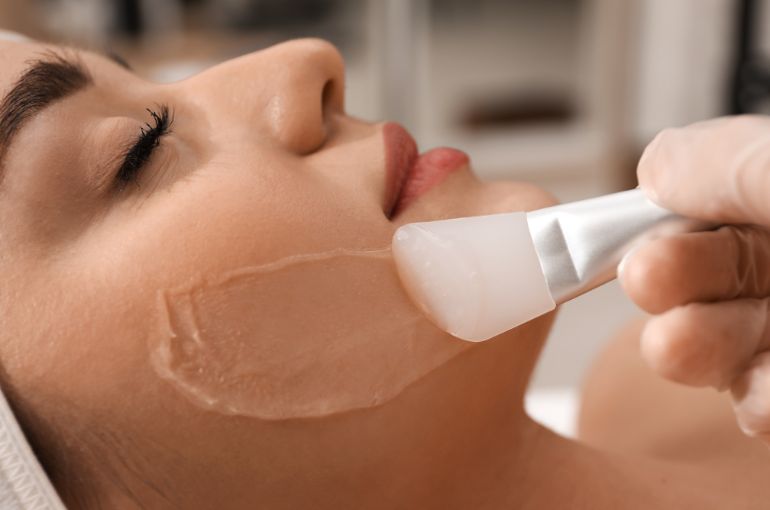
Chemical peels work by applying carefully formulated acids to the skin, encouraging controlled exfoliation and renewal of skin cells. This process removes damaged surface cells and stimulates regeneration across different layers of skin, depending on the peel used.
Common acids found in chemical peels include:
- Glycolic acid
- Salicylic acid
- Other clinically formulated acid blends
By promoting controlled exfoliation, chemical peels support smoother skin texture, more even skin tone, and improved clarity.
Different Peel Depths and Safety Considerations
Chemical peels are categorised by depth, and safety considerations vary accordingly.
Superficial Peels
Superficial peels act on the outermost skin layers and are generally used for:
- Rough skin
- Uneven skin tone
- Mild fine lines
- Early sun damage
These peels typically involve milder acids and are associated with minimal downtime.
Medium Skin Peels
Medium skin peels penetrate further into the skin and are often used to address:
- Acne scars
- Pigmentation issues
- Crepey skin
- More established sun damage
Because they affect deeper layers, professional assessment and aftercare are essential to support safe healing.
Deep Skin Peels
Deep skin peels reach the deepest layers of skin and are used selectively for advanced concerns. A deep chemical peel requires strict medical oversight due to increased intensity, downtime, and recovery considerations.
The Importance of Skin Assessment
One of the most important safety factors with chemical peels is appropriate skin assessment. Not all peels are suitable for all skin types. A professional evaluation considers:
- Skin type and sensitivity
- Existing skin conditions
- History of reactions or sensitivity
- Presence of acne scarring or pigmentation
- Risk factors such as sun exposure
This ensures the peel selected supports skin health rather than compromising it.
Sensitive Skin and Chemical Peels
Patients with sensitive skin or underlying skin sensitivity require particular care. While chemical peels can still be appropriate, the formulation, depth, and treatment frequency must be adjusted.
Using the wrong peel or over-treating sensitive skin can lead to irritation, prolonged redness, or disruption of the skin barrier. This is why chemical peels should always be planned with guidance from a qualified skin care specialist.
Where Professional Care Fits In
Avoiding Overuse and At-Home Risks
One of the main safety risks associated with chemical peels is overuse, particularly with unsupervised or aggressive at-home treatments.
Excessive peeling can:
- Damage the skin barrier
- Increase sensitivity
- Worsen pigmentation
- Delay healing
Professional skin resurfacing treatments differ significantly from consumer products, as they are administered with controlled techniques, appropriate concentrations, and aftercare guidance.
Chemical Peels vs Other Skin Resurfacing Treatments
Chemical peels are often compared with other resurfacing options such as laser resurfacing. While both aim to improve skin quality, they work differently and carry different risk profiles.
Chemical peels rely on controlled exfoliation, while laser resurfacing uses energy-based technology to stimulate skin repair. The safest option depends on skin behaviour, tolerance, and the specific concern being treated.
Regulation and Professional Standards
Chemical peels used in clinical settings are subject to regulation and should only be administered by trained professionals using approved skin products.
Treatment by a qualified skin care specialist ensures:
- Appropriate peel selection
- Correct application technique
- Safe treatment intervals
- Proper aftercare advice
These factors significantly reduce risk and support predictable outcomes.
Chemical Peels and Long-Term Skin Health
When performed correctly, chemical peels can support:
- Improved skin tone
- Reduction in fine lines
- Smoother skin texture
- Healthier, more resilient skin
They also encourage skin renewal without permanently altering skin structure, making them suitable as part of long-term skin health plans.
Are Chemical Skin Peels Safe?
Chemical skin peels are considered safe when:
- The correct peel depth is selected
- Skin type and sensitivity are assessed
- Treatments are delivered by trained professionals
- Overuse and inappropriate formulations are avoided
With proper guidance, chemical peels can be an effective and safe option for improving skin tone, texture, and overall appearance.
Considering a Chemical Skin Peel?
If you are exploring chemical peel treatments and would like reassurance around safety and suitability, a professional assessment at Dermoperfection ensures treatments are carefully selected, well controlled, and aligned with your skin’s individual needs and long term skin health goals.