

How Often Should You Have a Chemical Skin Peel?
One of the most common questions people ask when considering a Chemical Peel is how often treatments should be carried out. The answer isn’t one-size-fits-all. Chemical peels work in harmony with the skin’s natural renewal cycle, and treatment frequency depends on skin type, concerns, and the depth of the peel used.
Understanding how often to have a chemical peel helps maintain healthy skin while avoiding over-exfoliation and unnecessary irritation.
Understanding the Skin Renewal Cycle
The skin continuously renews itself through a process known as cell turnover, where new skin cells replace old, damaged ones. On average, this cycle takes around 28 days, though it can slow with age, sun damage, or certain skin conditions.
Chemical peels support this process by removing dead skin cells and encouraging more efficient renewal. However, the skin still needs time to heal, rebuild collagen, and restore its barrier between treatments.
How Peel Type Affects Frequency
The depth of a chemical peel plays a major role in determining how often it should be performed.
Superficial Chemical Peels
Superficial peels focus on the upper layers of the skin and are often used to improve:
- Uneven skin tone
- Dull skin
- Mild sun damage
- Rough skin texture
- Early fine lines
Peels containing ingredients such as glycolic acid or salicylic acid are commonly used at this level. These treatments may be carried out more frequently, often every 3–4 weeks, depending on skin tolerance and recovery.
Medium-Depth Chemical Peels
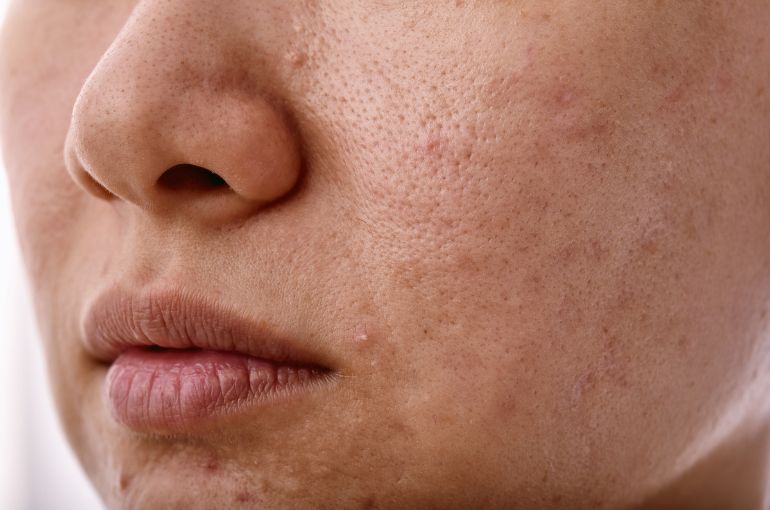
Medium-depth peels penetrate further into the skin and are used to address:
- Acne scars
- Uneven skin texture
- Uneven skin tone
- More established sun damage
Because these peels affect deeper skin layers, they require longer recovery time and are usually spaced further apart. Treatments may be recommended every few months as part of a structured treatment plan.
Deep Chemical Peels
A Deep Chemical Peel reaches the deepest layers of the skin and is used selectively for more advanced concerns. Due to the intensity and extended healing process, deep peels are not performed frequently and require careful medical oversight.
Professional Guidance Matters
Course-Based Treatments vs Maintenance Peels
Chemical peels are often planned in one of two ways:
Course-Based Treatments
A course of peels may be recommended to target specific skin concerns, such as acne scars or sun-damaged skin. These treatments are scheduled at safe intervals to allow the skin to heal while gradually improving texture and tone.
Maintenance Treatments
Once skin concerns are under control, chemical peels may be used periodically as part of ongoing skin care to maintain clarity, support collagen production, and keep the skin looking refreshed.
Avoiding Over-Exfoliation
More frequent peels do not necessarily lead to better results. Over-exfoliation can:
- Disrupt the skin barrier
- Increase sensitivity
- Delay healing
- Worsen pigmentation
Allowing adequate time between treatments supports healthy skin regeneration and long-term improvement rather than short-term irritation.
Factors That Influence How Often You Should Have a Chemical Peel
The ideal frequency depends on several individual factors, including:
- Skin type and sensitivity
- Specific skin concerns being treated
- History of sun exposure
- Presence of sun damage or acne scarring
- Current skincare routine and products used
A professional assessment helps determine safe spacing and peel strength.
The Role of Skincare and Sun Protection
Between chemical peels, maintaining a supportive skincare routine is essential. Gentle cleansing, appropriate moisturisation, and daily sun protection help preserve results and protect the skin while it regenerates.
Using suitable skincare products between treatments also helps maximise outcomes and reduce the need for more frequent peels.
Chemical Peels as Part of Long-Term Skin Maintenance
When scheduled correctly, chemical peels can support:
- Smoother skin texture
- Improved skin tone
- Reduced appearance of fine lines
- Gradual improvement in acne scars
- Ongoing skin renewal
They are most effective when used as part of a long-term skin health strategy rather than a one-off solution.
How Often Should You Have a Chemical Peel?
The ideal frequency for chemical peels depends on:
- Peel depth
- Skin type and tolerance
- Specific skin concerns
- Recovery time between treatments
When spaced appropriately, chemical peels support healthy cell turnover, improved skin texture, and long-term skin health without overloading the skin.
Considering Chemical Peel Treatments?
If you are exploring chemical peels as part of your skincare plan, professional guidance at Dermoperfection helps ensure treatments are scheduled safely and effectively to support healthy skin function and long term results.